

Welcome to Polimer News. Chengalpattu weather is an important topic for residents, travelers, farmers, and businesses across this district of Tamil Nadu. Staying informed about local weather conditions can help people plan their daily routines, journeys, agricultural activities, and outdoor events more effectively. Chengalpattu has a tropical climate with noticeable seasonal changes, influenced by both the southwest and northeast monsoons. Temperature, rainfall, humidity, and wind patterns all play an important role in the region’s everyday life.
“Understanding Chengalpattu weather patterns can help residents and visitors make better decisions about travel, farming, outdoor activities, and daily planning.”
In this detailed guide, we will look at Chengalpattu’s weather conditions throughout the year, including seasonal variations, monthly temperature patterns, rainfall trends, humidity, and changing weather conditions. We will also discuss current forecasts, historical climate patterns, and practical tips to help residents and visitors prepare for different weather conditions in Chengalpattu.
Overview of Chengalpattu Climate
Chengalpattu is located in the southern part of India, close to Tamil Nadu’s eastern coastline. Its location near the Bay of Bengal influences the local climate, bringing changes in temperature, humidity, rainfall, and coastal weather conditions throughout the year. The region generally experiences four main seasonal patterns:
- Hot and humid summer: March to May
- Southwest monsoon: June to September
- Northeast monsoon: October to December
- Mild and relatively dry winter: January to February
“Chengalpattu’s location near the coast plays an important role in its humidity, rainfall, and seasonal weather patterns, affecting agriculture, travel, and everyday activities.”
The climate of Chengalpattu is generally classified as tropical, with rainfall concentrated during the monsoon seasons. October and November are typically among the wettest months because of the northeast monsoon, which has a strong influence on Tamil Nadu’s coastal districts. The district receives substantial annual rainfall, although the exact amount can vary from year to year depending on monsoon activity and weather systems.
Read Also: chennai rains school holiday
Temperature Trends in Chengalpattu
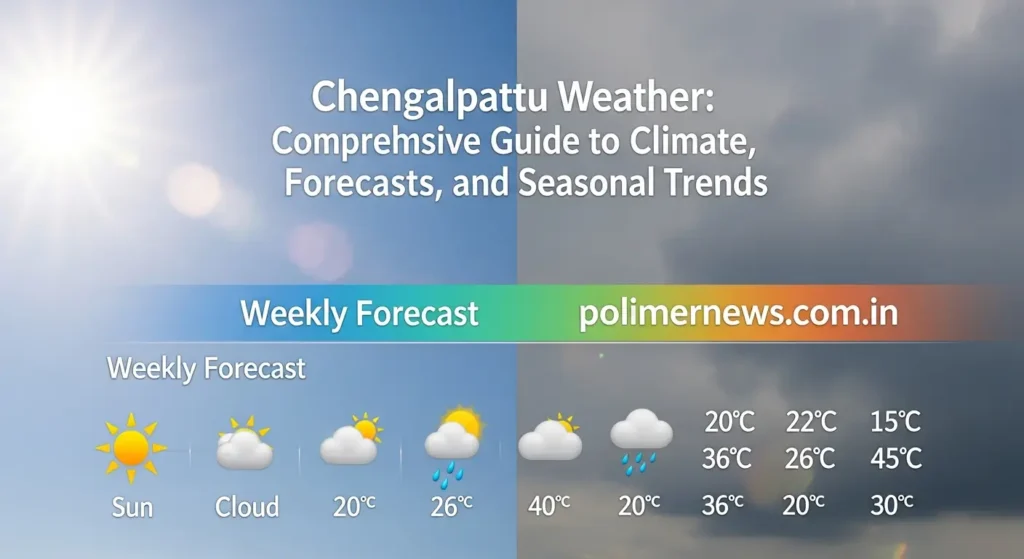
Chengalpattu experiences noticeable but generally moderate temperature changes throughout the year. Understanding these seasonal temperature patterns can be helpful for travel planning, agricultural activities, outdoor events, and everyday life. Knowing when temperatures are likely to rise or fall allows residents and visitors to prepare appropriately and plan their activities more comfortably.
Summer (March to May)
During the summer months, Chengalpattu can experience high temperatures combined with elevated humidity. The heat is usually strongest in April and May, when daytime conditions can become particularly uncomfortable.
- Daytime temperatures: Around 35°C to 38°C
- Nighttime temperatures: Around 25°C to 28°C
- Hottest period: April and May
- Humidity: Often high, making the temperature feel warmer
“Chengalpattu summers can be hot and humid, so planning outdoor activities during the early morning or evening can provide greater comfort.”
Monsoon Season (June to December)
Southwest Monsoon (June to September)
- Rainfall: Moderate, with occasional heavy showers that may cause waterlogging or flooding in low-lying areas.
- Daytime temperatures: Generally range from 28°C to 33°C.
- Nighttime temperatures: Usually remain warm, around 24°C to 26°C.
- During the monsoon season, cloudy skies, increased humidity, and periodic rainfall can affect travel and outdoor activities. Residents should stay updated on weather forecasts, particularly when heavy rain is expected.
Northeast Monsoon (October to December)
- Wettest period: October to December generally receives the highest rainfall in Chengalpattu.
- Rainfall: Heavy showers, thunderstorms, and occasional intense rain can occur during this period.
- Daytime temperatures: Usually range from 27°C to 30°C.
- Nighttime temperatures: Generally remain between 22°C and 25°C.
The northeast monsoon plays an important role in replenishing water resources and supporting agricultural activities across Chengalpattu. However, periods of heavy rain can also lead to waterlogging, traffic disruptions, and changes to outdoor plans.
“Northeast monsoon rainfall is important for Chengalpattu’s agriculture and water supply, but heavy showers can sometimes affect transportation and daily routines.”
Winter (January to February)
During winter, Chengalpattu generally experiences mild and pleasant weather, making this one of the more comfortable times of the year. Temperatures are lower than during the summer and monsoon seasons, while humidity is usually more manageable.
- Daytime temperatures: Around 24°C to 28°C
- Nighttime temperatures: Around 19°C to 22°C
- Weather conditions: Generally mild, dry, and comfortable
- Outdoor activities: Suitable for travel, sightseeing, and outdoor plans
“Winter is often one of the most pleasant seasons in Chengalpattu, with comfortable temperatures, relatively dry air, and favorable conditions for outdoor activities.”
Monthly Weather Breakdown
Chengalpattu’s weather changes throughout the year, with temperatures gradually increasing from winter into summer before rainfall becomes more prominent during the monsoon seasons. The following month-wise overview provides a general picture of average temperatures, rainfall, and typical weather conditions.
| Month | Avg. Max Temp (°C) | Avg. Min Temp (°C) | Rainfall (mm) | Typical Conditions |
| January | 28 | 19 | 10 | Cool, dry, and mostly clear |
| February | 30 | 20 | 15 | Mild weather with lower humidity |
| March | 33 | 23 | 25 | Increasing heat and mostly dry conditions |
| April | 35 | 25 | 40 | Hot summer weather |
| May | 38 | 27 | 50 | Hottest period with higher humidity |
| June | 33 | 25 | 120 | Monsoon showers begin |
| July | 32 | 24 | 150 | Frequent rain and thunderstorms |
| August | 32 | 24 | 140 | Regular showers with gradually changing rainfall |
| September | 31 | 23 | 100 | Southwest monsoon gradually weakens |
| October | 30 | 23 | 180 | Northeast monsoon becomes active |
| November | 29 | 22 | 200 | Heavy rainfall and wettest conditions |
| December | 28 | 21 | 50 | Rainfall decreases with cooler weather |
“Understanding monthly weather patterns can help residents and visitors plan travel, outdoor activities, agricultural work, and other daily activities according to expected temperature and rainfall conditions.”
Rainfall and Monsoon Patterns
Chengalpattu receives rainfall primarily from two monsoon systems:
Southwest Monsoon (June to September)
- Provides moderate rainfall across Chengalpattu during the season.
- Supports groundwater recharge and helps maintain moisture in agricultural soil.
- Occasional heavy showers can result in waterlogging or temporary flooding in low-lying areas.
- Overall, this rainfall period is important for replenishing local water resources and supporting agriculture, although intense showers can sometimes affect transportation and daily activities.
Northeast Monsoon (October to December)
- Provides a major share of the district’s annual rainfall, especially during October and November.
- May bring thunderstorms and strong winds along with periods of heavy rain.
- Supports agricultural activities, particularly paddy cultivation and other crops that depend on sufficient water.
“The northeast monsoon is an important part of Chengalpattu’s climate, providing essential rainfall for agriculture, especially paddy and other water-intensive crops.”
Humidity and Wind Conditions
Humidity levels in Chengalpattu can change considerably depending on the season. Monsoon months generally bring higher moisture levels, while winter and early summer tend to feel relatively drier and more comfortable.
- High humidity: During the monsoon, humidity can often reach around 80–90%.
- Moderate humidity: Winter and early summer may typically see levels of around 60–70%.
Wind conditions also vary with the seasons and Chengalpattu’s proximity to the coast:
- Southwesterly winds: More common during summer and the southwest monsoon.
- Northeasterly winds: Become more prominent during the northeast monsoon.
“Seasonal humidity and changing wind patterns can influence how comfortable the weather feels and may also affect rainfall intensity and outdoor activities in Chengalpattu.”
Impact on Agriculture
Agriculture plays an important role in Chengalpattu’s economy, and local weather conditions can have a major impact on farming activities, crop growth, and water management. Seasonal rainfall, temperature, and wind patterns influence when farmers plant, irrigate, and harvest their crops.
- Paddy cultivation: Depends significantly on rainfall from the northeast monsoon and adequate water availability.
- Horticulture: Vegetables, fruits, and other crops require proper irrigation, particularly during dry and hotter months.
- Fisheries: Both coastal and inland fishing activities can be affected by rainfall, wind strength, and changing weather conditions.
“Keeping track of Chengalpattu weather forecasts can help farmers plan irrigation, protect crops from extreme conditions, and improve agricultural productivity.”
Chengalpattu Weather Forecasting Tools
Modern weather technology makes it easier to monitor and predict changing conditions in Chengalpattu. A combination of satellite data, local weather observations, and digital forecasting services can provide useful information about rainfall, temperature, wind, and severe weather.
- Satellite imagery: Helps meteorologists monitor cloud formations, approaching storms, rainfall systems, and cyclones.
- Local weather stations: Provide regular information about temperature, humidity, rainfall, and wind conditions.
- Online forecasts and mobile apps: Give residents, farmers, and travelers access to updated forecasts and weather alerts.
“Reliable weather forecasting tools can help people prepare in advance for heavy rainfall, cyclones, heatwaves, and other changing weather conditions.”
Tips for Residents and Visitors
Chengalpattu’s changing weather conditions make it important for residents and visitors to plan ahead. Simple precautions can help people stay comfortable, protect their health, and reduce problems caused by heavy rain or extreme heat.
- Carry an umbrella or raincoat: Keep rain protection handy during the monsoon season.
- Stay hydrated: Drink plenty of water during hot and humid summer days.
- Follow weather alerts: Check reliable forecasts before traveling, especially when storms or heavy rainfall are expected.
- Choose suitable outdoor times: During summer, plan outdoor activities for the early morning or evening when temperatures are generally more comfortable.
“Taking simple precautions and staying informed about Chengalpattu weather can help reduce health risks, travel problems, and disruptions to daily activities.”
Common Weather-Related Challenges
Chengalpattu residents can experience several weather-related challenges throughout the year. Heavy rainfall, extreme heat, and occasional changes in visibility can affect transportation, outdoor activities, and daily routines. Being aware of seasonal weather patterns can help people prepare for these conditions.
- Flooding: Heavy monsoon rainfall can lead to waterlogging and flooding, particularly in low-lying areas.
- Traffic disruptions: Waterlogged roads and intense rainfall may slow traffic and affect local transportation.
- Reduced visibility: Fog or mist during cooler periods can sometimes make driving and other forms of transportation more difficult.
- Heat stress: High temperatures and humidity during peak summer can cause discomfort and increase the risk of heat-related problems.
“Understanding Chengalpattu weather patterns and preparing for seasonal challenges can help residents stay safer, more comfortable, and better prepared throughout the year.”
Long-Term Climate Trends
In recent years, Chengalpattu’s climate has shown signs of changing weather patterns, with some seasons becoming less predictable. These changes can influence agriculture, water availability, transportation, and everyday activities across the district.
- Rising summer temperatures: Hot periods can become more intense, increasing heat-related discomfort and water demand.
- Changing rainfall patterns: Rainfall may become less predictable, creating challenges for agriculture, irrigation, and water management.
- Extreme weather events: Heavy rainfall, thunderstorms, and cyclonic systems can cause temporary disruptions and damage.
“Changing climate conditions may influence traditional weather patterns in Chengalpattu, making weather awareness, preparedness, and long-term adaptation increasingly important.”
Chengalpattu Weather for Tourism
Tourists visiting Chengalpattu can make their trips more comfortable by considering seasonal weather conditions when planning their itinerary. Temperature, rainfall, and humidity can vary considerably throughout the year, so choosing the right season and preparing accordingly can make travel more enjoyable.
- Best time to visit: December to February generally offers milder temperatures and relatively comfortable conditions for sightseeing.
- Monsoon considerations: October and November can bring heavy rainfall, which may affect roads, transportation, and outdoor plans.
- Summer precautions: From March to May, visitors should use sun protection, drink plenty of water, and avoid prolonged exposure during the hottest part of the day.
“Planning a Chengalpattu visit around seasonal weather conditions can help travelers enjoy a more comfortable and hassle-free experience.”
7-Day Forecast Example
A seven-day weather forecast can help residents and visitors plan travel, outdoor activities, work, and other daily schedules. Conditions may change from partly cloudy skies to rainfall and thunderstorms, so checking the latest forecast before making plans is recommended.
| Day | Expected Condition | Max Temp (°C) | Min Temp (°C) | Rainfall Probability |
|---|---|---|---|---|
| Monday | Partly Cloudy | 29 | 23 | 20% |
| Tuesday | Light Rain | 28 | 22 | 60% |
| Wednesday | Thunderstorms | 27 | 22 | 80% |
| Thursday | Moderate Rain | 27 | 21 | 70% |
| Friday | Overcast | 28 | 22 | 30% |
| Saturday | Sunny Intervals | 29 | 23 | 10% |
| Sunday | Partly Cloudy | 30 | 23 | 15% |
“Checking the latest 7-day Chengalpattu weather forecast regularly can help residents and travelers adjust outdoor plans, prepare for rainfall, and avoid weather-related disruptions.”
Frequently Asked Questions About Chengalpattu Weather
What is the best time to visit Chengalpattu?
The ideal time to visit Chengalpattu is generally December to February, when temperatures are mild and the weather is more comfortable for travel and outdoor activities.
When does Chengalpattu receive the most rainfall?
Chengalpattu receives its heaviest rainfall during the northeast monsoon from October to December. The rain supports agriculture but can sometimes cause waterlogging and travel disruptions.
How hot does Chengalpattu get in summer?
During March to May, Chengalpattu can reach 35–38°C with high humidity. Early mornings and evenings are generally more comfortable for outdoor activities.
Does Chengalpattu experience cyclones?
Yes, Chengalpattu can experience cyclones, strong winds, and heavy rain due to its proximity to the Bay of Bengal, especially during monsoon seasons.
How can I stay updated on Chengalpattu weather?
Residents and travelers can stay updated through local weather forecasts, IMD alerts, and mobile weather apps. These sources provide timely information about rainfall, temperatures, storms, and other changing weather conditions.
Is winter comfortable in Chengalpattu?
Yes, News updates can help with travel planning. January and February usually offer mild 19–28°C temperatures, lower humidity, and mostly clear skies.
Conclusion
Understanding Chengalpattu weather is important for residents, travelers, farmers, and businesses because changing weather conditions can influence daily routines, agriculture, transportation, and tourism. The district experiences hot and humid summers, seasonal southwest monsoon rainfall, heavier northeast monsoon showers, and relatively mild winters. Temperature, humidity, rainfall, and occasional storms all contribute to the region’s changing climate throughout the year.
Staying updated with reliable weather forecasts and alerts can help people prepare for heavy rain, extreme heat, and other weather-related challenges. By planning travel and outdoor activities according to seasonal conditions and taking appropriate precautions, residents and visitors can reduce risks and enjoy greater comfort throughout the year.
“Staying informed about Chengalpattu weather helps residents and visitors make smarter decisions, improve preparedness, and stay safe and comfortable in every season.”


