

Welcome to Polymernews. Tiruchirappalli, popularly known as Trichy, is one of Tamil Nadu’s culturally rich and lively cities, attracting visitors with its historic landmarks, magnificent temples, and vibrant local atmosphere. Understanding the weather Tiruchirappalli experiences is important for residents and travelers who want to plan their daily routines, sightseeing, outdoor activities, and trips comfortably. The city has a tropical savanna climate, characterized by hot summers, seasonal monsoon rainfall, and relatively mild winters. Knowing the changes in temperature, humidity, and rainfall throughout the year can help you prepare better for different seasons.
From scorching summer days to refreshing monsoon showers and pleasant winter periods, Tiruchirappalli’s climate plays an important role in tourism, agriculture, and everyday life. In this comprehensive guide, we’ll explore the city’s seasonal weather patterns, temperature changes, rainfall, humidity, and other important climate factors to help you plan your time in Tiruchirappalli with greater confidence and comfort.
Geography and Climate of Tiruchirappalli
Welcome to Polymernews. Tiruchirappalli, widely known as Trichy, is a vibrant city in Tamil Nadu celebrated for its ancient temples, historical attractions, and lively cultural atmosphere. Understanding the weather Tiruchirappalli experiences is essential for residents and visitors planning their daily activities, sightseeing, travel, and outdoor events. The city generally experiences a tropical savanna climate, with hot summers, seasonal rainfall, and comparatively comfortable winters. Being familiar with temperature, humidity, and rainfall patterns can make it easier to prepare for each season.
Tiruchirappalli’s climate changes throughout the year, from intense summer heat to refreshing monsoon showers and milder winter days. These weather conditions influence tourism, agriculture, local activities, and everyday life across the city. In this guide, we’ll explore Tiruchirappalli’s seasonal climate, temperature trends, rainfall patterns, humidity levels, and other important weather factors to help residents and travelers plan their activities comfortably and confidently.
Key Geographic Influences on Weather
Tiruchirappalli’s weather is strongly influenced by its geographical location, elevation, surrounding landscape, and proximity to major water bodies. Situated in central Tamil Nadu, the city lies away from the coast, which contributes to its generally hot and dry conditions, particularly during summer. The relatively flat terrain also allows heat to build up during the daytime.
The city’s distance from the sea affects humidity and rainfall patterns, while seasonal monsoon winds bring most of the annual precipitation. The Cauvery River and surrounding agricultural areas can also influence local moisture levels and create slight variations in weather conditions across the region.
- Proximity to the Kaveri River: Provides a slight cooling effect during evenings, particularly in the city center.
- Surrounding Hills: Low hills around the city contribute to localized rainfall and minor variations in temperature.
- Latitude Positioning: Being close to the equator, Tiruchirappalli experiences long days of sunlight throughout the year.
“Geography and climate are inseparable; understanding one helps explain the other.”
Read Also: Hungarian Government Bans Pride Parade for LGBTQ+ Community
Seasonal Weather Patterns
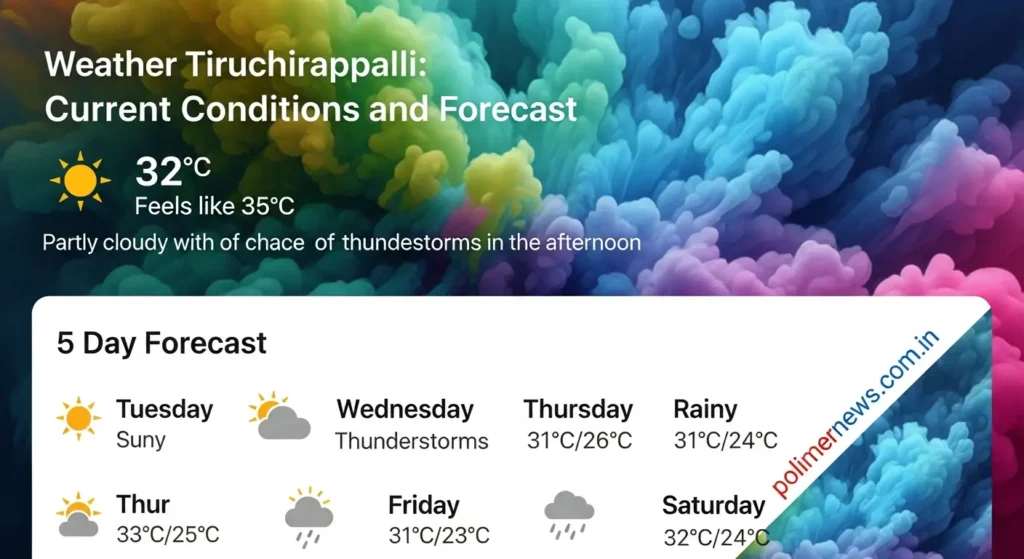
The weather in Tiruchirappalli can generally be categorized into four main seasons: summer, monsoon, post-monsoon, and winter. Each period has its own weather conditions, with noticeable changes in temperature, humidity, and rainfall. Understanding these seasonal variations can help residents and visitors plan their travel, outdoor activities, and daily routines more comfortably.
Summer Season: March to June
The weather in Tiruchirappalli is typically experienced across four major seasons: summer, monsoon, post-monsoon, and winter. Each season brings different levels of heat, humidity, and rainfall, creating noticeable variations throughout the year. Understanding these seasonal patterns helps residents and travelers choose the right time for sightseeing, outdoor activities, travel, and everyday plans.
Key Features of Summer:
- Average daytime temperature: 35 to 40 degrees Celsius
- Nighttime temperature: 25 to 28 degrees Celsius
- Sky conditions: Mostly clear with occasional cloud cover
- Rainfall: Minimal, except for sporadic pre-monsoon showers
“Summer in Tiruchirappalli is intense, but understanding the timing of daily heat peaks helps plan activities effectively.”
Monsoon Season: June to September
The weather in Tiruchirappalli varies across four primary seasons: summer, monsoon, post-monsoon, and winter. Each season brings its own combination of temperature, humidity, and rainfall, resulting in distinct climatic conditions throughout the year. Knowing these seasonal changes can help residents and visitors plan trips, sightseeing, outdoor activities, and daily schedules more effectively.
Monsoon Highlights:
- Average daytime temperature: 30 to 35 degrees Celsius
- Nighttime temperature: 23 to 26 degrees Celsius
- Rainfall pattern: Intermittent showers, occasionally heavy
- Wind direction: Southwest with moderate speeds
“Monsoon showers not only cool the city but sustain its agricultural backbone.”
Post-Monsoon Season: October to November
The weather in Tiruchirappalli varies across four primary seasons: summer, monsoon, post-monsoon, and winter. Each season brings its own combination of temperature, humidity, and rainfall, resulting in distinct climatic conditions throughout the year. Knowing these seasonal changes can help residents and visitors plan trips, sightseeing, outdoor activities, and daily schedules more effectively.
Post-Monsoon Characteristics:
- Average daytime temperature: 28 to 32 degrees Celsius
- Nighttime temperature: 20 to 24 degrees Celsius
- Rainfall: Decreasing, but occasional showers continue
- General weather: Pleasant with mild humidity
“Post-monsoon weather creates a perfect balance between rainfall and sunshine, ideal for outdoor exploration.”
Winter Season: December to February
The weather in Tiruchirappalli changes noticeably across four main seasons: summer, monsoon, post-monsoon, and winter. Each season has its own pattern of temperature, humidity, and rainfall, creating different weather conditions throughout the year. Understanding these seasonal variations can help residents and visitors plan their travel, sightseeing, outdoor activities, and everyday schedules with greater ease.
Winter Insights:
- Average daytime temperature: 28 to 30 degrees Celsius
- Nighttime temperature: 18 to 22 degrees Celsius
- Rainfall: Minimal
- Sky conditions: Clear to partly cloudy
“Mild winters make Tiruchirappalli a year-round destination for travelers seeking comfort and culture.”
Temperature Trends Throughout the Year
Tiruchirappalli experiences noticeable temperature changes throughout the year, with generally hot conditions during the summer and more comfortable temperatures during the winter months. The city’s inland location contributes to higher daytime temperatures, while seasonal rainfall can bring temporary relief from the heat. Overall, understanding these temperature patterns is useful for planning travel, outdoor activities, and daily routines.
Below is a summary table illustrating average temperatures by month:
| Month | Average High (°C) | Average Low (°C) |
| January | 29 | 18 |
| February | 32 | 20 |
| March | 36 | 23 |
| April | 38 | 25 |
| May | 39 | 26 |
| June | 36 | 25 |
| July | 34 | 24 |
| August | 33 | 24 |
| September | 33 | 24 |
| October | 33 | 23 |
| November | 31 | 21 |
| December | 29 | 19 |
The table highlights the consistency of temperatures throughout the year, with summer months being the hottest and winter months being relatively cooler.
“Temperature patterns in Tiruchirappalli remain predictable, allowing residents and travelers to plan with ease.”
Rainfall and Humidity Patterns
Tiruchirappalli receives most of its rainfall during the monsoon and post-monsoon periods. The city gets roughly 800 to 1,000 millimeters of rain annually, with rainfall generally increasing during the wetter months. These seasonal showers play an important role in supporting agriculture and maintaining local water resources.
Humidity levels also change throughout the year, typically ranging from 50% to 75%. Monsoon periods tend to feel warmer and more humid, often creating a muggy atmosphere, while the winter season is usually drier and more comfortable.
Rainfall Summary:
- Southwest monsoon: Moderate rainfall, June to September
- Northeast monsoon: Light to moderate rainfall, October to November
- Summer: Minimal rainfall, March to May
- Winter: Dry, December to February
“Monitoring rainfall trends helps both agriculture and tourism flourish in Tiruchirappalli.”
Impact of Weather on Agriculture
Tiruchirappalli experiences the majority of its rainfall during the monsoon and post-monsoon seasons. The city receives approximately 800 to 1,000 millimeters of rainfall each year, with wetter periods bringing more frequent showers. This seasonal rainfall is important for agriculture, groundwater replenishment, and the availability of local water resources.
Humidity also varies throughout the year, generally remaining between 50% and 75%. During the monsoon season, increased moisture in the air can make the weather feel warm and humid, while the winter months are typically drier and more pleasant. These changes in rainfall and humidity significantly influence the overall comfort and daily weather conditions in Tiruchirappalli.
Influence of Weather on Tourism
Tiruchirappalli is known for its impressive cultural and historical attractions, including the Rockfort Temple, Srirangam Temple, and several other heritage sites. The weather Tiruchirappalli experiences can have a significant impact on tourism, influencing the best times for sightseeing, temple visits, and outdoor activities. Pleasant weather can encourage more visitors, while extreme heat or heavy rainfall may require travelers to adjust their schedules and plans.
- Best visiting season: December to February due to mild winters and clear skies
- Monsoon visits: Rain may restrict sightseeing, but it offers lush landscapes
- Summer tourism: Early morning and late evening trips are ideal to avoid the heat
“Tourism thrives when visitors align their travel plans with favorable weather conditions.”
Weather and Daily Life
Residents of Tiruchirappalli often adapt their daily routines to changing seasonal conditions. During the hotter summer months, activities such as shopping, commuting, and outdoor sports are commonly planned for the cooler hours of the morning or evening. The local climate also influences clothing preferences, household energy use, and everyday food choices.
High temperatures and humidity can make crowded areas feel uncomfortable, whereas cooler and drier conditions create more favorable opportunities for outdoor gatherings and cultural events. In this way, everyday life in Tiruchirappalli naturally adjusts to the changing rhythm of the weather.
Climate Change and Weather Variability
People living in Tiruchirappalli often modify their everyday routines according to seasonal weather conditions. During the hot summer period, activities such as commuting, shopping, and outdoor sports are usually preferred in the cooler morning or evening hours. The climate can also affect clothing choices, household electricity use, and daily eating habits.
Hot and humid conditions may make busy public spaces less comfortable, while cooler and drier weather provides better opportunities for outdoor gatherings, recreation, and cultural activities. As a result, daily life in Tiruchirappalli naturally adapts to the changing weather patterns throughout the year.
Tips for Planning Around Tiruchirappalli Weather
Planning activities according to the weather in Tiruchirappalli can make travel and daily routines more comfortable. Check the forecast before heading outdoors, especially during summer and the monsoon season. Carry lightweight clothing, stay hydrated, and use sun protection during hot days, while an umbrella or raincoat can be useful when showers are expected. For sightseeing and outdoor activities, choosing cooler morning or evening hours can help avoid peak heat and humidity.
- Check real-time weather forecasts before scheduling outdoor activities.
- Carry appropriate clothing for seasonal variations: light fabrics in summer, warm layers in winter.
- Stay hydrated during hot and humid months.
- Plan agricultural activities according to monsoon predictions.
- Use protective gear such as umbrellas or sunscreen when necessary.
Frequently Asked Questions about Weather in Tiruchirappalli
What is the best time to visit Tiruchirappalli?
The best time to visit Tiruchirappalli is during the winter months, from December to February, when the weather is mild, dry, and ideal for sightseeing.
How hot does Tiruchirappalli get in summer?
During summer (March to June), daytime temperatures in Tiruchirappalli can rise to 40°C, with evenings being slightly cooler around 25–28°C.
When does Tiruchirappalli receive the most rainfall?
The city receives most of its rainfall during the monsoon and post-monsoon seasons, particularly from June to November, with moderate showers supporting agriculture.
How humid is Tiruchirappalli throughout the year?
Humidity ranges from 50% to 75%, peaking during the monsoon months and being relatively low during winter and summer.
Does Tiruchirappalli experience extreme weather?
Tiruchirappalli generally has moderate weather. Extreme heat occurs in peak summer months, and occasional unseasonal rains may happen, but severe weather is rare.
How does Tiruchirappalli’s weather affect tourism?
Mild winters encourage tourism with comfortable sightseeing conditions, while summers require careful planning to avoid midday heat. Monsoons offer scenic views but can restrict outdoor activities.
What is the climate type of Tiruchirappalli?
Tiruchirappalli has a tropical savanna climate, characterized by hot summers, moderate rainfall, and mild winters.
Conclusion
Understanding the weather Tiruchirappalli experiences throughout the year is important for residents, visitors, and anyone planning activities in the city. Its tropical savanna climate brings hot summers, seasonal monsoon rainfall, and relatively mild winters, with each period affecting daily routines, agriculture, and tourism in different ways. By keeping track of temperature changes, rainfall patterns, and seasonal conditions, people can plan their travel, outdoor activities, and work schedules more effectively.
Winter generally offers more comfortable conditions for sightseeing and exploring local attractions, while monsoon rainfall contributes to agriculture and helps replenish water resources. Staying aware of local weather conditions can improve comfort, support safer planning, and make both living in and visiting Tiruchirappalli a more enjoyable experience.


