

Welcome to Polimer News. Cricket in India is more than a sport it represents passion, national pride, and, at times, intense public debate. Gautam Gambhir, former Indian cricket captain and current politician, has recently become part of a wider discussion surrounding the presence of players’ families during international tours. The question, “Family? Nation? Is Gambhir picking a fight?”, has generated varied reactions, with some supporting his views while others questioning his approach.
The debate highlights a broader issue in professional cricket: how players can balance personal and family life with the responsibilities that come with representing the nation. The focus keyword, “Family? Nation? Is Gambhir picking a fight?”, reflects this ongoing tension between personal priorities and professional commitments. Beyond cricket, the discussion raises important questions about discipline, expectations, and the role of family in the demanding world of international sport.
The Background: Gambhir’s Outspoken Persona
Gautam Gambhir has long been a prominent and sometimes controversial figure in Indian cricket. Renowned for his competitive approach and straightforward opinions, he has frequently attracted attention from fans, players, and cricket commentators. His fearless batting made him a memorable presence on the field, while his outspoken nature has continued to shape his public image beyond his playing career.
In recent years, Gambhir has remained actively involved in cricket through coaching, administration, and public commentary. He has spoken about player discipline, professionalism, and the importance of prioritizing national responsibilities, including discussions about balancing family time with international commitments. While some critics view his remarks as confrontational, supporters see them as an expression of strong principles. His direct style may be polarizing, but it also encourages wider conversations about the expectations and responsibilities placed on professional athletes.
The Family vs Nation Debate
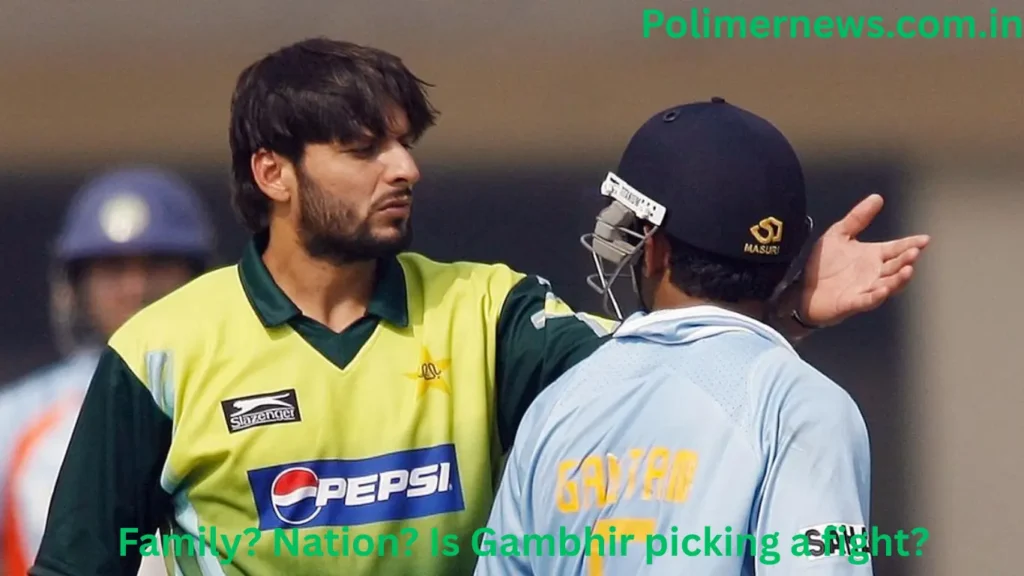
The heart of the controversy is the question of how cricketers should balance family life with national duty. The Board of Control for Cricket in India (BCCI) has introduced restrictions on family presence during extended international tours, with the stated aim of helping players remain focused on their performances and responsibilities to the team. Gambhir has supported the broader principle behind such restrictions, stressing that players on national duty are expected to maintain a strong professional focus.
However, the issue has also attracted criticism from fans and former players who believe family support can provide emotional stability during demanding tours. Virat Kohli, who has spoken publicly about the importance of family, represents a perspective that personal support and professional commitment do not necessarily have to be viewed as opposing priorities.
The debate therefore raises a larger question for professional sport: How much should athletes sacrifice their personal lives for national duty, and where should the balance between professional responsibility and family support be drawn?
Gambhir’s Rationale
Gambhir’s position is largely based on the principles of discipline, accountability, and professional focus. He believes that when cricketers are representing India on international tours, their primary responsibility should be towards the team and the country. From this perspective, extended tours require complete concentration, while managing family travel can sometimes create additional logistical responsibilities or distractions.
This viewpoint also reflects the image Gambhir developed during his playing career, when he was widely associated with determination, competitiveness, and mental toughness. He has often emphasized that representing India is a significant responsibility that may require players to make personal sacrifices. For Gambhir, maintaining discipline means putting professional commitments first while competing at the highest level.
Public Reaction and Media Coverage
The reaction to Gambhir’s views has been divided, with the debate receiving considerable attention from cricket fans, commentators, and the media. Supporters believe his stance reinforces discipline and professionalism, while critics argue that it overlooks the emotional support players may receive from their families during demanding international tours.
Social media has further intensified the discussion, with fans expressing strong opinions about the balance between family support and national responsibility. Some commentators have also questioned whether a strict approach fits the expectations of today’s players, who increasingly value mental well-being and family time alongside professional performance.
Ultimately, Gambhir’s comments have sparked a conversation that extends beyond cricket. The debate reflects a broader question about how professionals in high-pressure careers can balance demanding responsibilities with personal and family well-being.
The Role of Player Mental Health
One important aspect of the debate is the mental and emotional well-being of players. Research in sports psychology suggests that strong support systems, including family relationships, can help athletes manage stress, maintain motivation, and cope with the pressures of high-level competition. From this perspective, limiting family presence during extended tours could potentially add to the emotional strain experienced by players.
Experts often emphasize the importance of finding a balanced approach. Professional discipline and commitment remain essential, but recognizing the personal needs of athletes can also contribute to sustainable performance and long-term well-being. The discussion surrounding Gambhir’s position has therefore brought greater attention to the broader role of mental health and emotional support in modern professional sport.
Historical Context: Athlete Sacrifices
Historically, cricket has often celebrated athletes who made significant personal sacrifices in pursuit of national success. Players such as Kapil Dev and Sunil Gavaskar undertook demanding international tours when communication and travel options were far more limited, highlighting the level of commitment expected from earlier generations. However, the approach to professional sport has evolved, with modern players increasingly emphasizing personal well-being, family support, and a healthier work-life balance.
Gambhir’s comments can therefore be viewed as a reflection of traditional sporting values that place duty, discipline, and sacrifice at the forefront. At the same time, his position raises an important question about whether expectations from earlier eras can be applied in the same way today. With modern cricket increasingly focused on player welfare and holistic development, finding a practical balance between professional commitment and personal well-being has become more important.
Analysis of Critics’ Arguments
Critics of Gambhir’s position argue that family support should not automatically be viewed as a distraction from professional responsibilities. They believe players can remain fully committed to representing India while also benefiting from the emotional stability and encouragement provided by their families during lengthy international tours.
Critics of Gambhir’s position focus on several key points:
Emotional Well-Being: Family support can help players manage stress, maintain emotional stability, and cope with the pressures of international competition.
Performance Benefits: Feeling supported by loved ones may improve confidence, motivation, and overall morale, potentially helping players perform more consistently.
Modern Player Management: Contemporary sports organizations increasingly recognize the importance of mental well-being, personal support, and holistic player development alongside discipline and performance.
These arguments demonstrate how complex the balance between personal and professional responsibilities can be. Critics suggest that overly rigid policies may not address the different needs of every player and that some flexibility could support both team discipline and individual well-being.
Gambhir’s Past Controversies and Fiery Persona
Gambhir has long been known for his direct and outspoken personality, both during his playing career and in his public life. He has frequently engaged in debates involving team strategies, selection decisions, player performance, and the treatment of younger cricketers. His willingness to express strong opinions, even when they attract criticism, has contributed to his reputation as a highly confrontational figure.
This outspoken approach also influences how his comments are interpreted by the public. Even when his intention is to promote professionalism, discipline, and accountability, his direct style can make his statements appear more aggressive than intended. As a result, the perception that Gambhir is “picking fights” often becomes part of the wider discussion surrounding his views.
Key Incidents Fueling Debate
Several developments have intensified the discussion surrounding Gambhir’s views on family presence during international tours. The BCCI’s revised travel policy limited family stays on longer overseas tours, while Gambhir publicly supported the principle that players should remain focused on their national responsibilities.
Several incidents have intensified the discussion about Gambhir’s style:
- Defense of Young Players: Gambhir has publicly defended emerging cricketers from harsh criticism, sometimes confronting former players and commentators.
- Selection Controversies: Decisions around team selection, especially for high-profile tours, have occasionally put him at odds with peers.
- Public Statements on Discipline: Gambhir’s comments about maintaining strict discipline on tours have often been perceived as combative.
These incidents illustrate the intersection of his strong opinions, public platform, and the sensitive nature of cricket in India.
Implications for Indian Cricket
The debate over family presence during international tours could have wider implications for Indian cricket, particularly in areas such as player management, team culture, and performance. The BCCI’s revised policy limits family stays to seven days on shorter tours and up to 14 days on tours lasting more than 45 days.
The debate over family presence and national duty has broader implications for Indian cricket:
- Player Retention: A balanced approach may improve satisfaction and retention among players.
- Performance Management: Recognizing emotional needs can enhance focus and consistency.
- Public Perception: Media coverage and fan reactions influence how policies are received and implemented.
BCCI and team management face the challenge of reconciling traditional expectations with modern considerations for player well-being.
“Balancing discipline with emotional support is the next frontier for professional sports management in India.”
Comparative Insights from Global Cricket
Looking at other cricketing nations can provide useful perspectives on how teams balance professional commitments with players’ personal needs. Countries such as Australia and England have, at different times, adopted approaches that provide families with opportunities to join players during extended tours, alongside broader welfare and mental health support.
These approaches reflect a growing recognition that emotional well-being can be an important part of sustaining performance in high-pressure sports. For India, the discussion is therefore not limited to one policy or one individual. It forms part of a wider global conversation about modern sports management, professional discipline, player welfare, and the human side of elite competition.
The Role of Leadership in Managing Conflict
Leadership plays an important role in managing sensitive debates such as the one surrounding Gambhir’s views. Captains, selectors, coaches, and administrators need to communicate policies clearly, explain the reasons behind them, and remain open to feedback from players.
Effective leadership requires a balance between discipline and empathy. Maintaining professional standards is essential, but understanding players’ individual circumstances can also strengthen trust and team morale. A thoughtful approach can help ensure that players feel supported while continuing to meet the expectations of representing India at the highest level.
Pull Quotes Summary
“Gambhir’s directness can be polarizing, but it also forces critical discussions about the professional responsibilities of athletes.”
“Cricket is a team sport, but emotional support off the field is as critical as physical fitness on the field.”
“Discipline is not just about training; it is about prioritizing the nation above personal comforts.”
“Gambhir’s comments ignited conversations not only about cricket but about modern work-life balance in high-pressure professions.”
“Strict policies may maintain discipline but risk undermining the mental health and overall performance of players.”
“Balancing discipline with emotional support is the next frontier for professional sports management in India.”
Potential Solutions and Recommendations
Finding a balanced approach can help Indian cricket address concerns about family presence without compromising team discipline or performance. Rather than relying on a rigid policy, authorities could consider the demands of each tour and the individual circumstances of players.
To address this ongoing debate, stakeholders can consider several solutions:
Structured Family Visits: Allow families during designated periods without affecting team focus.
Mental Health Support: Integrate psychologists and counselors to support emotional well-being.
Transparent Policies: Clearly communicate rules and rationale to avoid misunderstandings.
Player Feedback: Regularly collect feedback from players to adjust policies as needed.
Balanced Leadership: Encourage leaders to model professional discipline while acknowledging personal needs.
Frequently Asked Questions
Why is Gautam Gambhir in the news recently?
Gambhir is in the news for supporting BCCI restrictions on family presence during long tours and for publicly debating the balance between family and national duty.
What is the main controversy?
The controversy revolves around whether players should prioritize national duty over family presence, sparking a public debate on discipline, professionalism, and emotional support.
What are the arguments for family presence?
Family presence helps emotional support, reduces stress, and can boost performance and mental health.
How has the public reacted?
Reactions are mixed, with some supporting discipline and others emphasizing player well-being and modern work-life balance.
Can a balance be achieved?
Yes, structured policies and leadership that values both professionalism and personal support can create a sustainable balance.
Conclusion
The debate surrounding “Family? Nation? Is Gambhir picking a fight?” reflects the changing expectations of professional cricket in India. Gautam Gambhir’s emphasis on national duty highlights traditional values such as discipline, focus, commitment, and sacrifice. At the same time, opposing views underline the importance of family support, mental well-being, and emotional stability for maintaining consistent performance.
Finding the right balance between these perspectives is essential for modern sports management. Structured family policies, access to mental health support, clear communication, and empathetic leadership can help players meet their professional responsibilities without unnecessarily compromising their personal well-being.


